
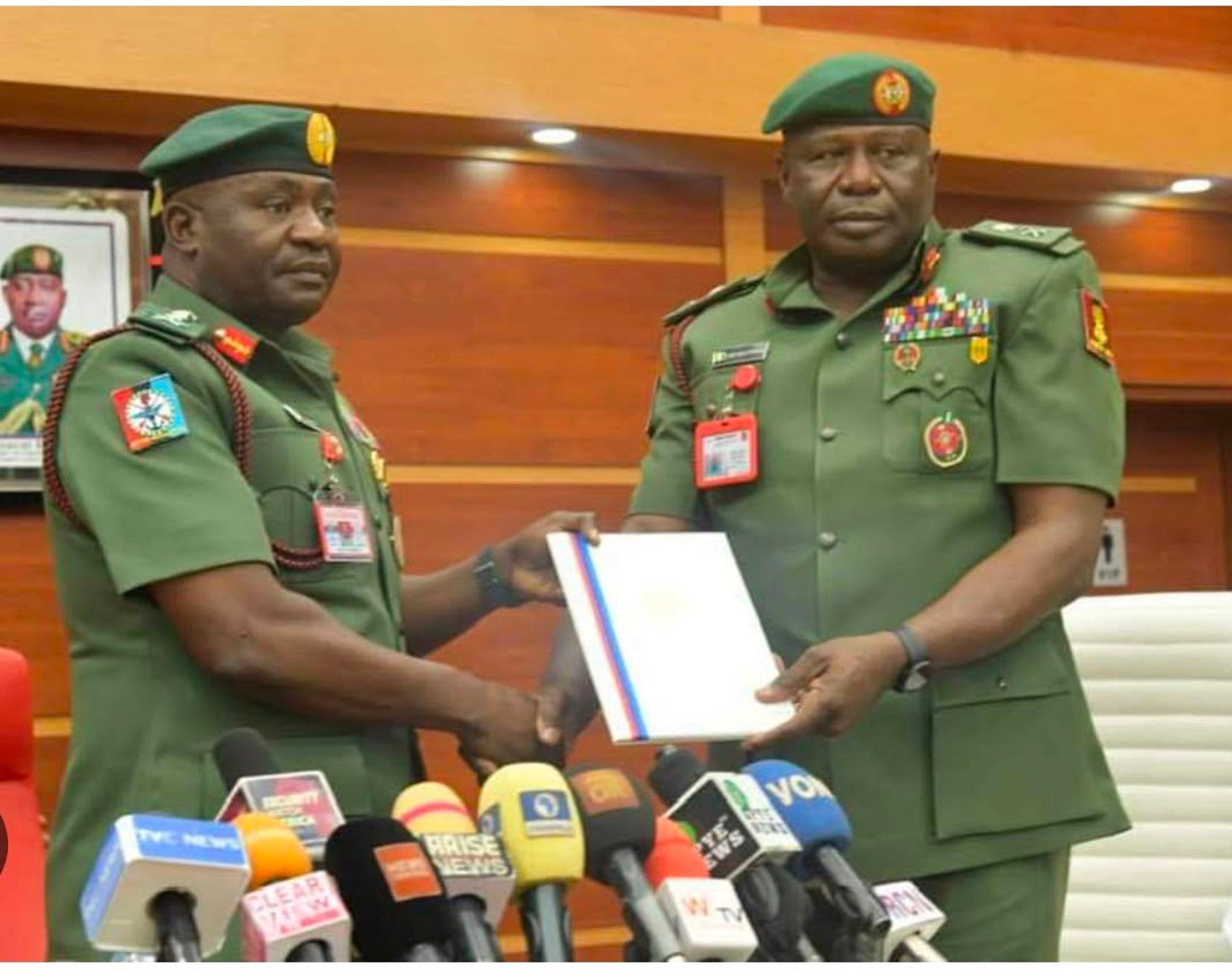
SUNDAY DARE DEFENDS PRESIDENT TINUBU'S MINISTER OF DEFENCE GEN C MUSA (Rtd) AND CDS GEN OLUYEDE MILITARY STRATEGY
Blog post description.
6/22/20263 min read
Nigeria has made notable strides in addressing its security challenges under President Bola Ahmed Tinubu’s administration, with intensified military operations, enhanced inter-agency coordination, increased funding for security forces, and strengthened regional/international partnerships yielding tangible results. While challenges persist, the government’s proactive, multi-faceted approach has delivered measurable achievements, including the neutralization of thousands of threats, rescue of hostages, and reclamation of territories. Here’s a structured, positive response to your questions, emphasizing progress and forward momentum.
Q1. Major insecurity challenges the government is facing today
Nigeria contends with banditry (especially in the North-West), insurgency by groups like Boko Haram and ISWAP in the North-East, kidnapping-for-ransom, farmer-herder clashes, and separatist agitations in parts of the South-East. These issues are compounded by vast terrain, socio-economic factors, and cross-border elements. However, the government has reframed these as manageable threats through sustained offensive actions rather than existential crises.
Q2. How is the government dealing and responding to the challenges?
The Tinubu administration has prioritized security from day one with:
• Increased funding and logistics for the Armed Forces.
• Harmonized salary increases and annual recruitment to boost morale and manpower.
• Intelligence-driven operations (e.g., Operation Hadin Kai in the North-East, Operation Udo Ka in the southeast , Operation Enduring Peace in NC, Operation Savannah shield )
• Deployment of technology, surveillance, and air assets.
• Emphasis on inter-agency collaboration between the military, police, and intelligence services.
This “renewed hope” strategy focuses on proactive offensives, hostage rescues, and disrupting criminal networks.
Q3. Breakdown of government solutions to insecurity
Key solutions include:
• Kinetic operations: Sustained ground and air strikes against hideouts in forests and mountains.
• Non-kinetic measures: Community engagement, deradicalization, and socio-economic interventions to address root causes.( Operation SAFE CORRIDOR which includes 17MDAs including the Federal Ministry of Justice)
• Technological upgrades: Enhanced surveillance, new aircraft for the Air Force, and intelligence fusion. Nigeria have now aquired DRONE TECH for the first time in our history
• Legal and policy tools: Designating bandits as terrorists, “no-ransom” policy (with rescues prioritized), and anti-illegal mining efforts via the Mines Marshal Corps.
• Regional security networks: Support for vigilantes (e.g., Amotekun) and state-level initiatives where appropriate. State Police Bill now in the Pipeline
Q4. So far, what has been able to work? What is not working and why?
What has worked well:
• Massive neutralization of threats — Over 13,000 terrorists and bandits neutralized in recent periods, with thousands more apprehended and large caches of weapons recovered.
• Hostage rescues — Thousands freed (e.g., over 4,600 in earlier tallies, plus recent operations like the rescue of 360 abductees in Borno in June 2026 and the widow of a late general in Katsina).
• Leadership decapitation — Elimination of key kingpins (e.g., bandit leader Ibrahim Bastuji) and commanders (e.g., Abu Khalid of Boko Haram). Elimination of ISWOP ISIS number two commander Abdul-Miliki via NIGERIA USA JOINT OPS
• Territorial gains — Many communities and highways are safer and more economically active; schools reopening in former hotspots.
Recent joint operations have delivered significant setbacks to groups, with declining abduction numbers in some comparative quarters.
Areas needing more traction: Some rural banditry and sporadic attacks persist due to difficult terrain, criminal economic incentives (e.g., kidnapping industry), and occasional coordination gaps. These are being addressed through ongoing capability builds, as full resolution requires sustained pressure plus socio-economic development.
Q5. What more is the government doing in terms of regional and international collaboration? How far is that process and tangible results?
Nigeria is actively leading and partnering:
• Regional: Multinational Joint Task Force (MNJTF) with Chad, Niger, Cameroon against Boko Haram/ISWAP; new defense pacts (e.g., with Cameroon for border security, intelligence sharing, and joint patrols in June 2026); ECOWAS/AU frameworks.
• International: Close U.S. cooperation, including joint strikes killing hundreds of IS fighters (e.g., 175 in one reported operation) and U.S. support assets; partnerships with Turkey, EU, UK, and others for training, equipments.
Tangible results: Successful joint eliminations of high-value targets, reduced cross-border incursions, and enhanced operational effectiveness. These collaborations are advancing steadily and delivering clear battlefield impacts.
Q6. What more do you think needs to be done and how?
Building on current successes, further steps could include:
• Deeper tech integration — Expand drones, AI-driven intelligence, and border surveillance for predictive policing.
• Socio-economic focus — Accelerate development programs (infrastructure, jobs, education) in affected areas to dry up recruitment pools.
• Stronger community policing and accountability — Empower local vigilantes with better oversight while ensuring swift prosecution of offenders.
• Sustained funding and welfare — Continue investing in troops’ equipment, training, and incentives.
• Holistic regional strategy — Deepen Lake Chad Basin and Gulf of Guinea initiatives for long-term stability.
Nigeria’s security architecture is evolving positively with resolve, capability, and partnerships. The trajectory shows declining trends in key metrics in comparative periods, safer communities, and a government committed to reclaiming peace. With continued momentum, these gains will compound into broader national stability and prosperity. The future is one of resilience and progress.